
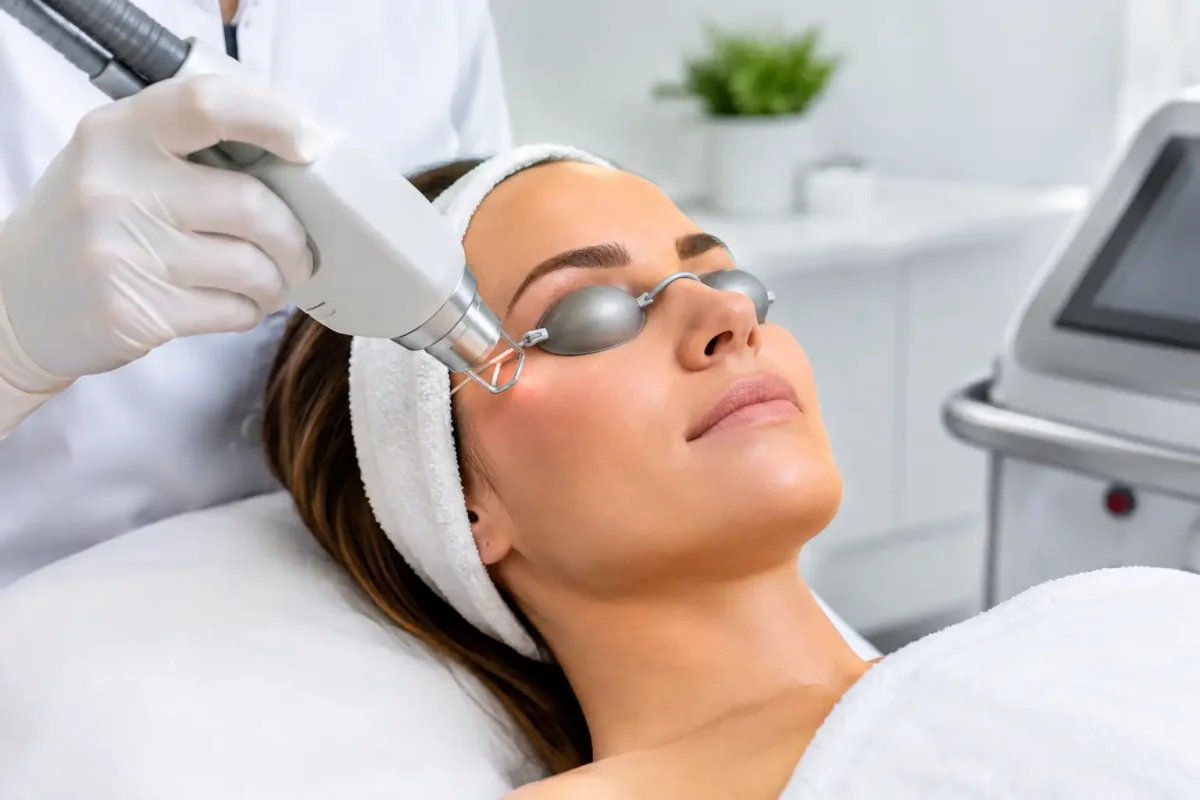
CO2 laser resurfacing downtime is often the deciding factor for patients who want meaningful improvement in wrinkles, texture, acne scarring, or sun-related skin damage. The treatment can produce a striking renewal of the skin, but it is not a lunch-break procedure. Planning for visible healing, careful aftercare, and a gradual return to social events is part of achieving a refined, healthy-looking result.
A thoughtful consultation should clarify both sides of the equation: what the laser can improve and what your recovery will realistically require. The right plan depends on the treatment depth, the areas being treated, your skin type, your history of pigmentation or scarring, and whether resurfacing is performed on its own or alongside facial surgery.
What CO2 Laser Resurfacing Downtime Really Means
CO2 resurfacing uses controlled laser energy to remove damaged outer layers of skin while stimulating collagen remodeling beneath the surface. This controlled injury is what makes the treatment effective, but it also creates a healing period that must be respected.
“Downtime” is not one single date on the calendar. There is the period when the skin is visibly red, swollen, and peeling; the point when it has re-epithelialized, meaning a new surface layer has formed; and the longer phase when redness softens and collagen continues to remodel. Most patients can be presentable sooner than their skin is fully settled.
For a full-face ablative CO2 treatment, many patients plan for about 7 to 14 days before they feel comfortable returning to work or social obligations, depending on the intensity of treatment and their comfort with residual pinkness. Deeper treatments may require more time. A fractionated CO2 laser generally creates microscopic treatment columns with untreated skin between them, which can shorten surface healing compared with fully ablative resurfacing, but it still requires attentive care and realistic expectations.
A Typical CO2 Laser Resurfacing Recovery Timeline
Every recovery has its own pace, but the following timeline helps patients plan without treating healing as a rigid schedule.
Days 1 Through 3: Swelling, Warmth, and Oozing
Immediately after treatment, the skin commonly feels hot, tight, and similar to a significant sunburn. Swelling is expected, especially around the eyes, and often peaks during the first 48 to 72 hours. The treated skin may ooze clear or lightly blood-tinged fluid as it begins to heal.
Your care team may recommend gentle cleansing, frequent application of an occlusive ointment, cool compresses, head elevation, and specific medications when appropriate. The goal is to keep the skin clean and protected without rubbing, picking, or allowing thick crusting to develop. This is the stage to stay home, rest, and follow instructions closely.
Days 4 Through 7: Peeling and New Skin Formation
During the next several days, swelling usually begins to improve while the skin may bronze, darken, flake, or peel. This can be the most socially inconvenient portion of recovery, even when discomfort is manageable. It is tempting to remove loose skin, but pulling or picking can interfere with healing and increase the risk of irritation, infection, or pigment changes.
By the end of the first week, some patients have enough new skin formation to transition from intensive ointment care to a gentler moisturizer and sunscreen regimen. Others, particularly those with deeper resurfacing or treatment around the mouth, may need longer. Your surgeon or laser provider should assess your skin before clearing you to change products or resume makeup.
Week 2: Returning to Public Life
Many patients feel ready for low-key work meetings, errands, or social plans during the second week. The skin can still look pink or red, feel dry, and appear more sensitive than usual. Makeup may be permitted once the surface has healed completely, but only if it can be applied and removed gently.
At this stage, sun avoidance is essential. Freshly resurfaced skin is especially vulnerable to sun-induced discoloration. Broad-spectrum mineral sunscreen, hats, shade, and a disciplined approach to avoiding direct sun exposure protect the investment you have made in your skin.
Weeks 3 Through 8: Pinkness Fades, Results Evolve
Residual redness can persist for several weeks and, after deeper resurfacing, sometimes longer. This does not necessarily mean something is wrong. New collagen development is gradual, and the skin often continues to become smoother, firmer, and more even over the following months.
Patients with fair or sensitive skin may notice pinkness longer, while patients prone to hyperpigmentation may need a more cautious treatment plan and tailored skincare before and after the procedure. This is one reason laser settings should never be standardized. The treatment should be selected and calibrated for the individual face, rather than simply chasing maximum intensity.
What Affects Your Downtime?
The depth and density of the laser treatment are major factors. A lighter fractional treatment intended to refresh texture may have a shorter recovery than a deeper treatment designed for etched lines or substantial acne scarring. Treating the full face also differs from treating a limited area, such as lines around the mouth or eyes.
Your baseline skin health matters as well. Smoking or nicotine use can impair healing. Active acne, dermatitis, a history of cold sores, certain medications, and recent tanning may require treatment to be postponed or adjusted. Patients with a history of melasma, post-inflammatory hyperpigmentation, keloids, or delayed healing need individualized planning rather than a one-size-fits-all laser protocol.
Finally, recovery is influenced by how well aftercare is followed. Skincare products that are normally tolerated, including retinoids, exfoliating acids, vitamin C serums, and fragranced products, can be too irritating during early healing. Your provider will tell you when to reintroduce active products safely.
How to Plan Your Calendar Wisely
If you are considering CO2 resurfacing before a wedding, reunion, vacation, or professional event, give yourself more margin than you think you need. For a meaningful full-face treatment, scheduling at least four to six weeks before an important event is often more comfortable than counting on a rapid recovery. If your goal is to look fully settled in photographs, additional time may be wise.
The best time for treatment is usually when you can remain out of the sun and protect a quiet recovery window. Winter can be appealing for this reason, though responsible sun protection is necessary all year. Arrange help with children or household tasks if possible, prepare bland recovery foods, and have prescribed products ready before treatment day.
Patients often ask whether they can work from home. Many can, particularly after the first few days, but this depends on comfort, swelling, and the amount of speaking or video conferencing their work requires. A camera filter does not replace healing time, and recovery is easier when you are not trying to conceal it.
When to Contact Your Provider
Mild swelling, redness, weeping, flaking, and sensitivity are expected elements of early healing. Worsening pain, increasing redness after initial improvement, pus-like drainage, fever, blisters, or a sudden rash warrant prompt contact with your treating office. Do not attempt to manage a possible infection or allergic reaction with over-the-counter products without guidance.
A responsible laser practice should also provide clear instructions for after-hours concerns. The period after resurfacing is not the time to rely on social media advice or someone else’s skincare routine. Your plan should reflect the exact laser used, the treatment settings, and your personal medical history.
Choosing Results Over a Shortcut
CO2 laser resurfacing can be an excellent option for patients who want more than a temporary glow. It can soften etched lines, improve crepey texture, reduce certain scars, and restore a clearer, more luminous quality to the skin. Yet the treatment asks for patience in return.
At Advanced Facial Surgery, resurfacing recommendations are approached with the same attention to facial balance, skin quality, and individual anatomy that guides surgical planning. For some patients, laser treatment is the right standalone choice. For others, it may complement eyelid surgery, a facelift, or a broader rejuvenation plan designed to preserve expression and identity.
The most satisfying recoveries begin with an honest conversation: what you hope to improve, how much downtime you can accommodate, and what level of treatment best supports natural, lasting facial harmony. When the plan respects both your goals and your life, the healing period becomes a purposeful investment rather than an unwelcome surprise.